VEVOR Weed Barrier Fabric Heavy Duty, 0.4 x 30.5m 90.7g Landscape Fabric, Woven Weed Blocker Fabrics, Garden Fabrics Weeds Barrier, Weeds Control Ground Cover, Geotextile Webbing, Gardening Mat, Black
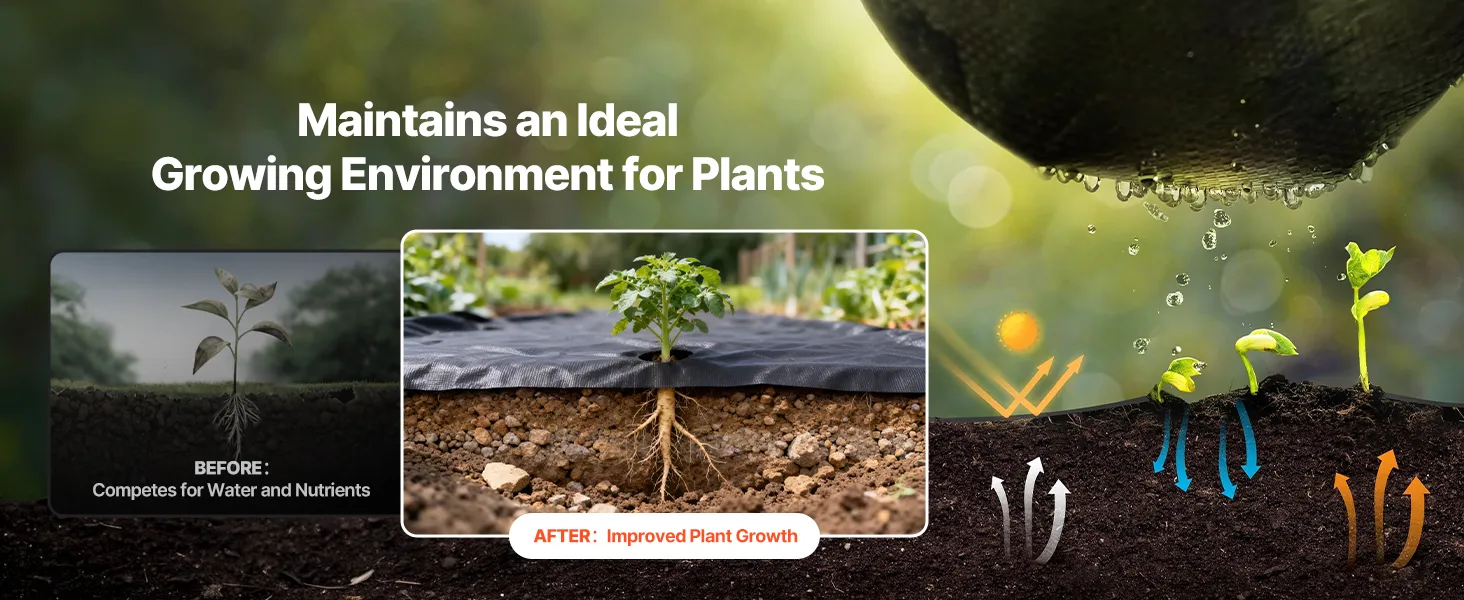
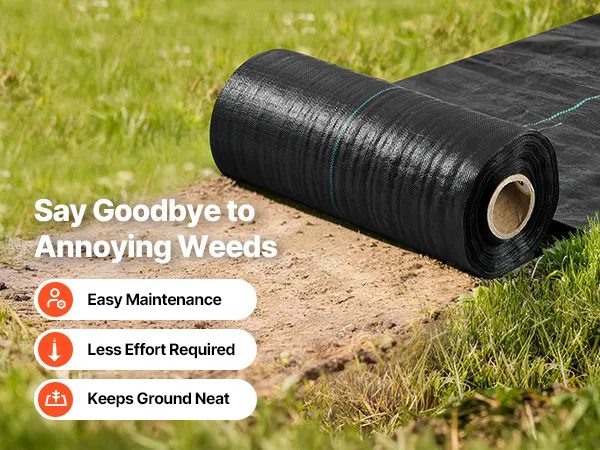
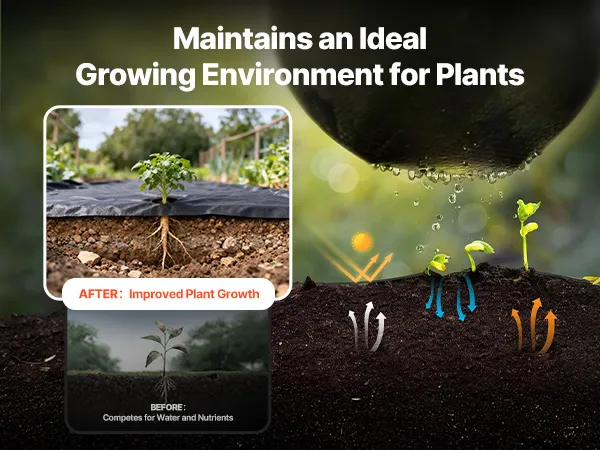
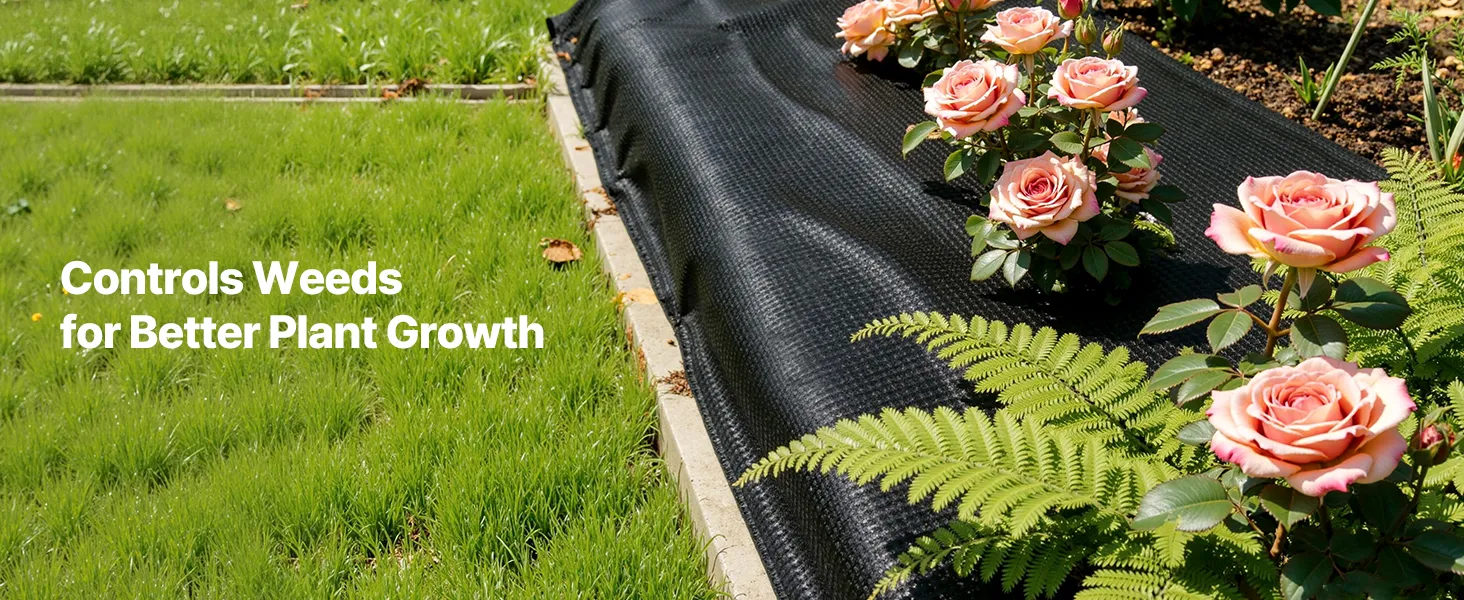
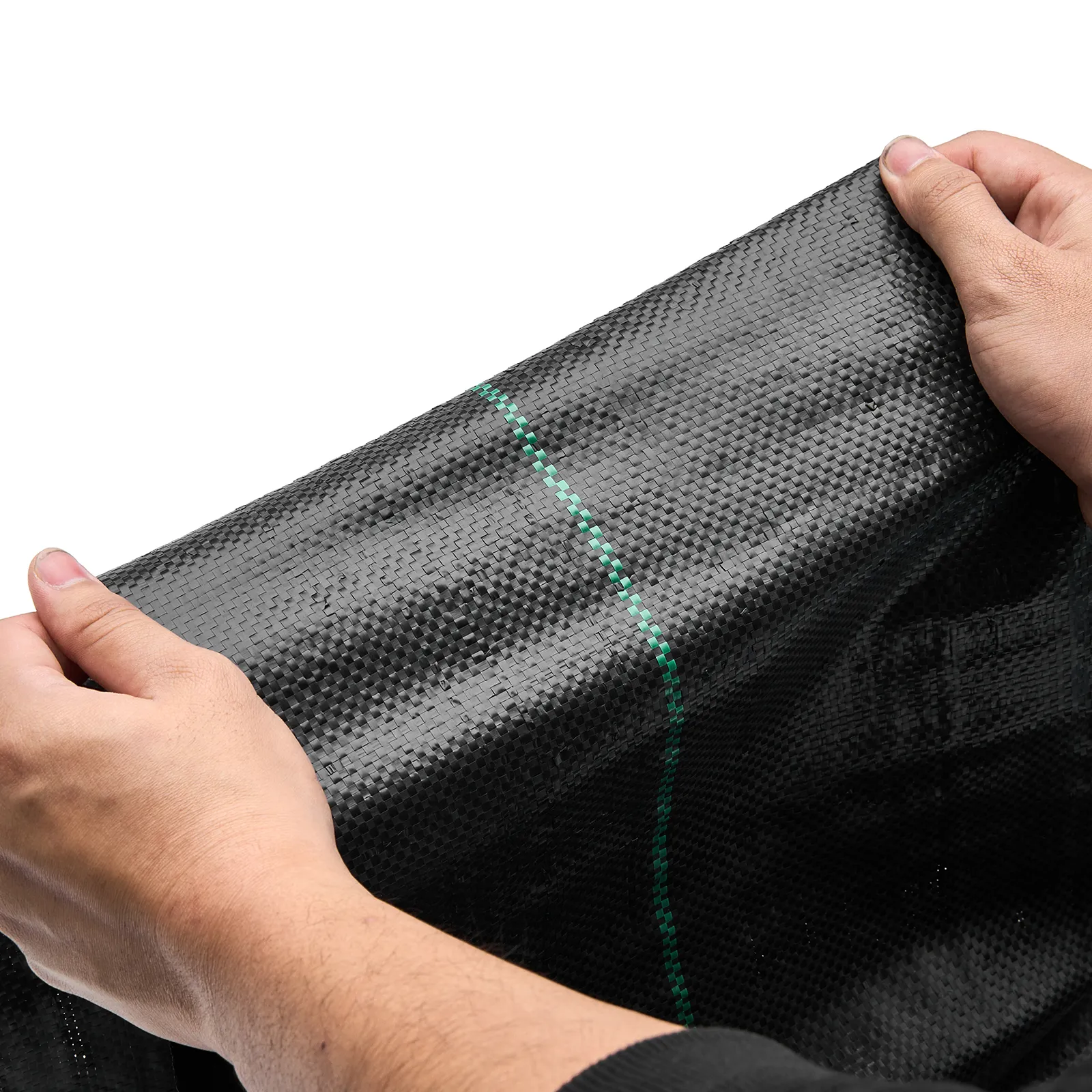
- Clean Weed Control: Made from 3.2 oz/90.7g high-density PP woven material, our garden fabric blocks sunlight from passing through and limits weed growth without frequent manual removal. By reducing competition for water and nutrients, it supports healthier plants while keeping gardens, beds, and walkways neat
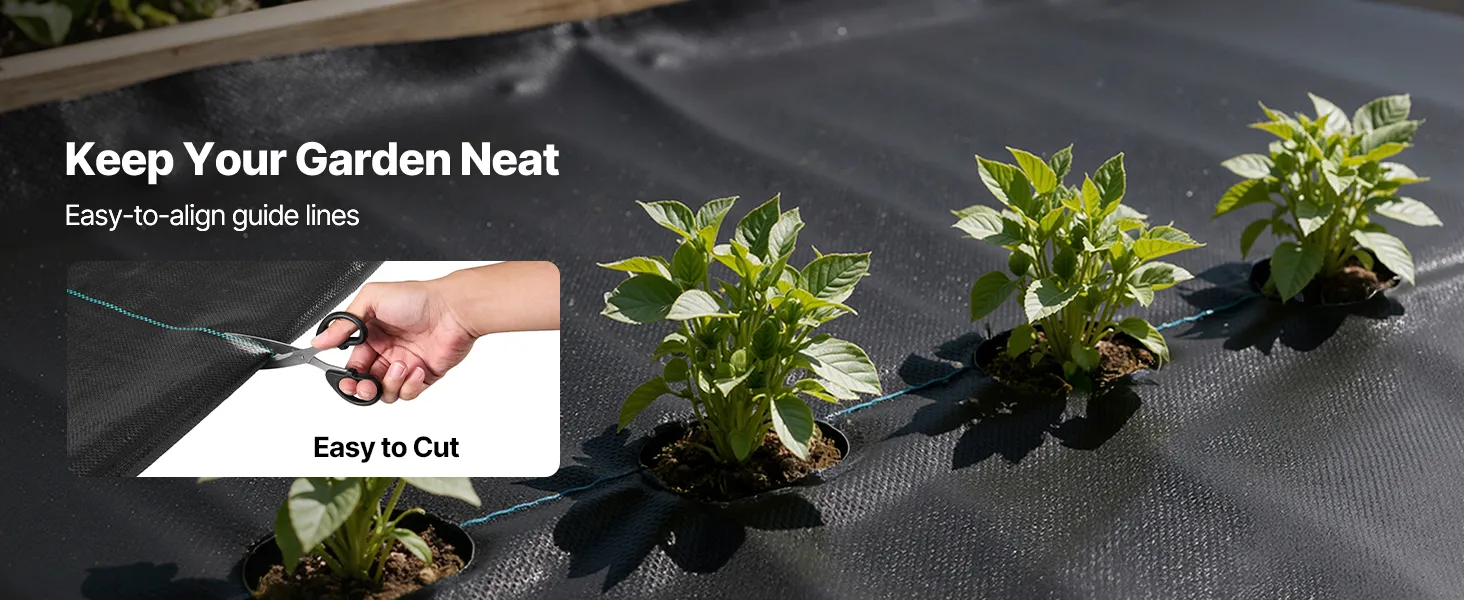
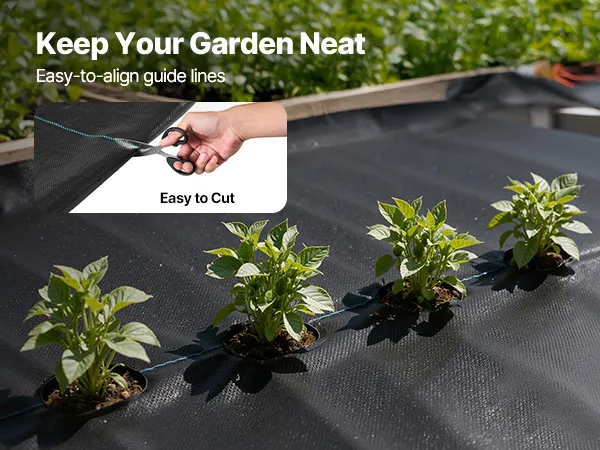
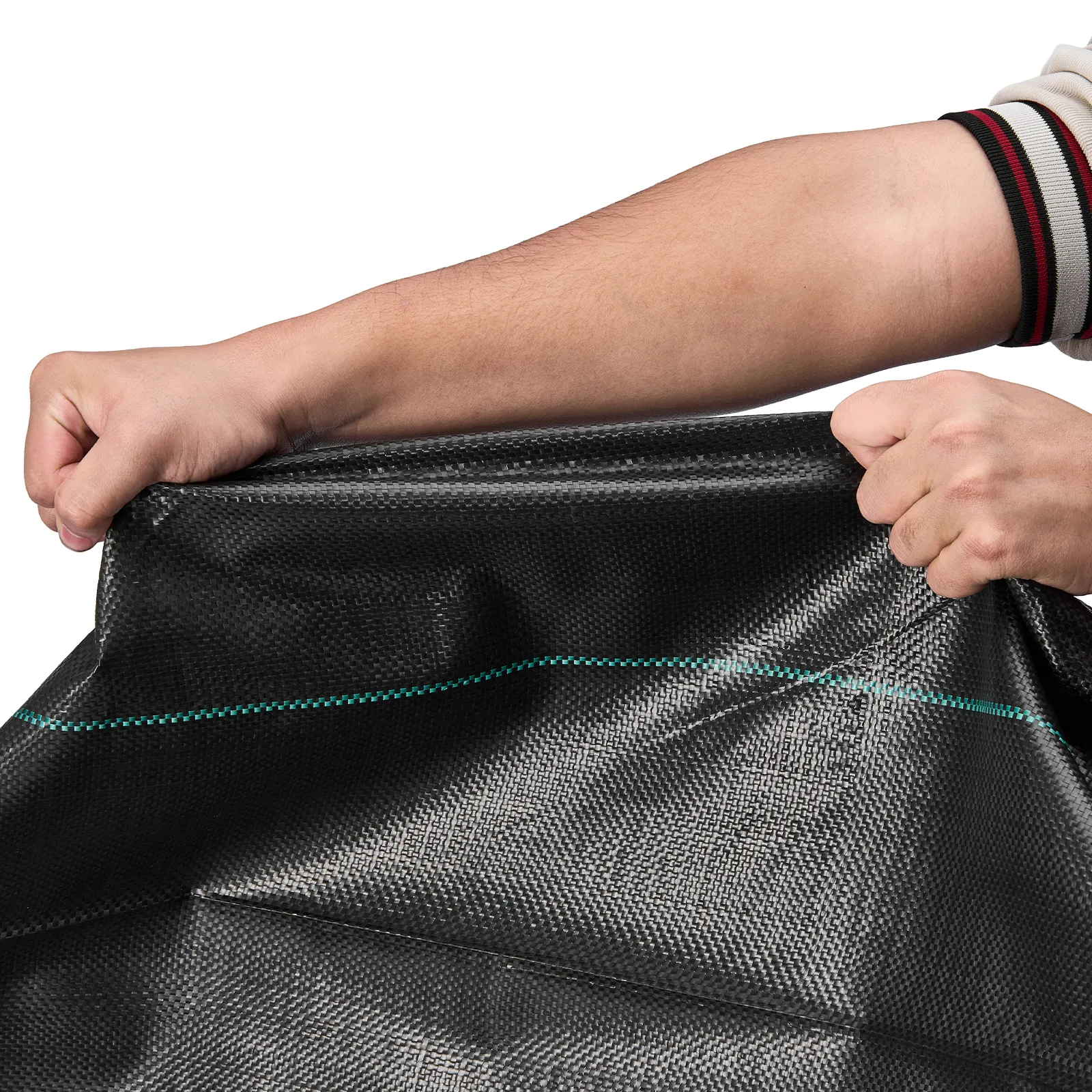
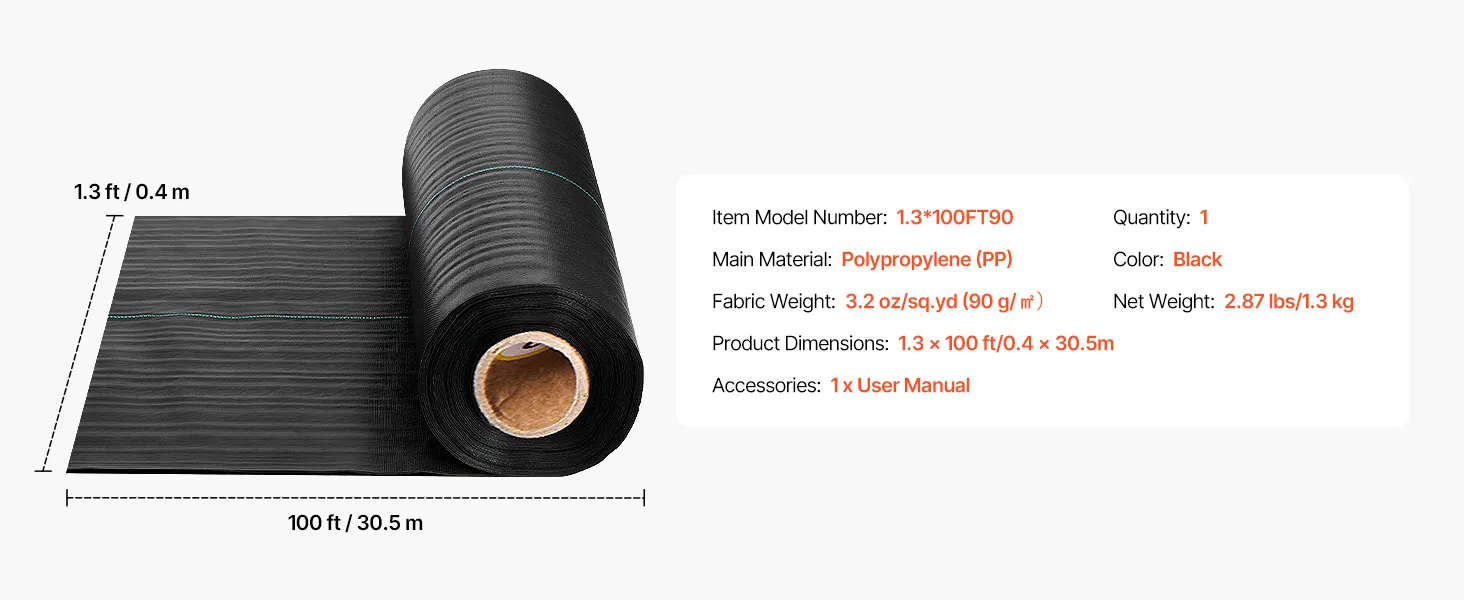
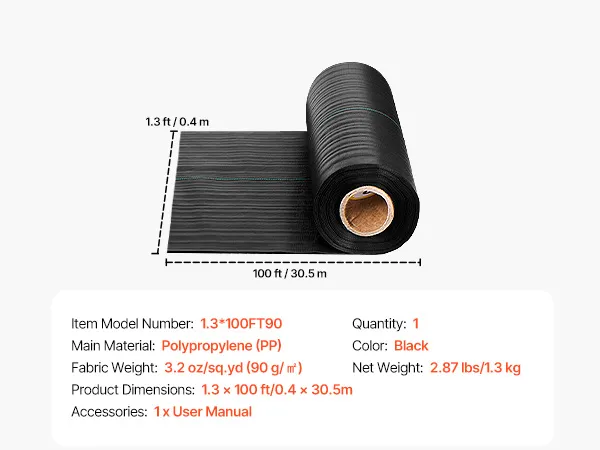
- Easy to Use: Sized at 1.3 x 100 ft/0.4 x 30.5m, this driveway fabric covers about 130 ft² and works well for gardens, yards, and greenhouses. It cuts easily to fit different shapes and includes green guidelines for plant alignment, making it suitable for vegetable gardens, gravel paths, and driveways
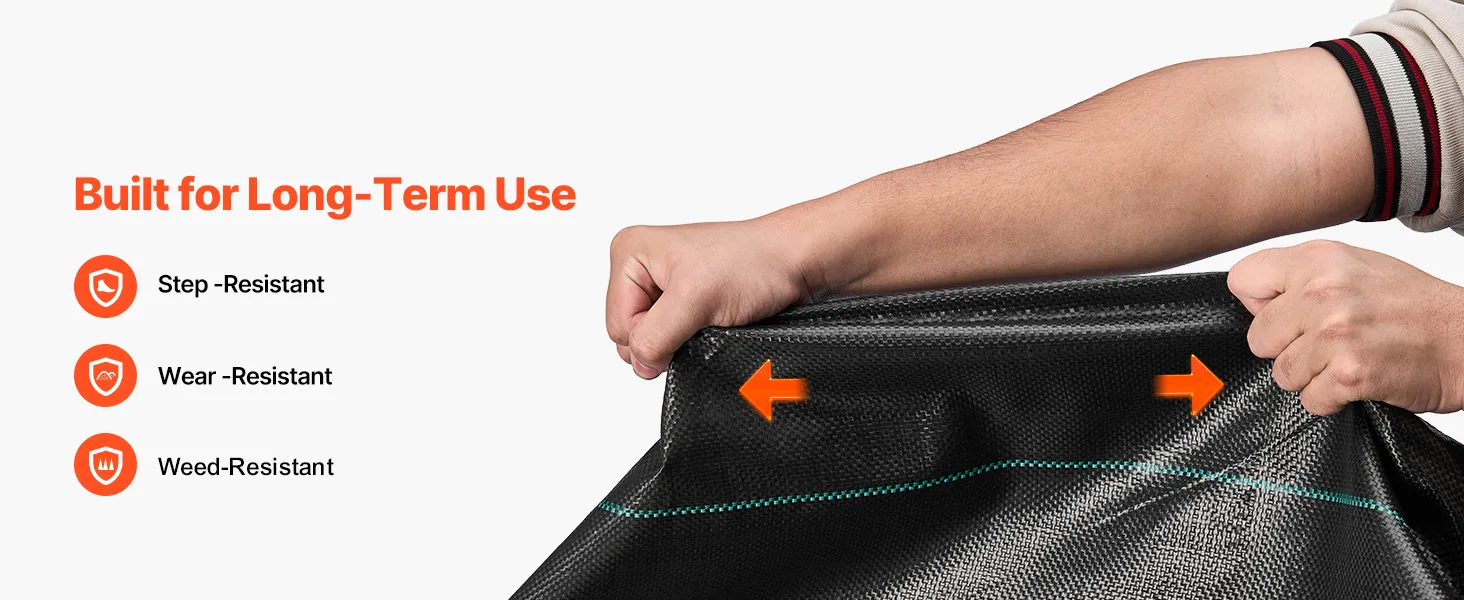
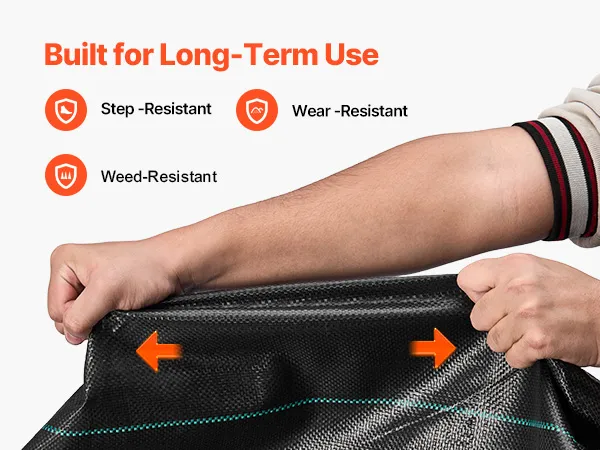
- Strong Fabric Structure: Our heavy duty landscape fabric is crafted from 3.2 oz/90.7g tightly woven PP fabric that delivers enhanced puncture and tear durability. The dense structure limits weed root penetration and remains stable when placed under gravel, stones, or high-pressure outdoor surfaces over time
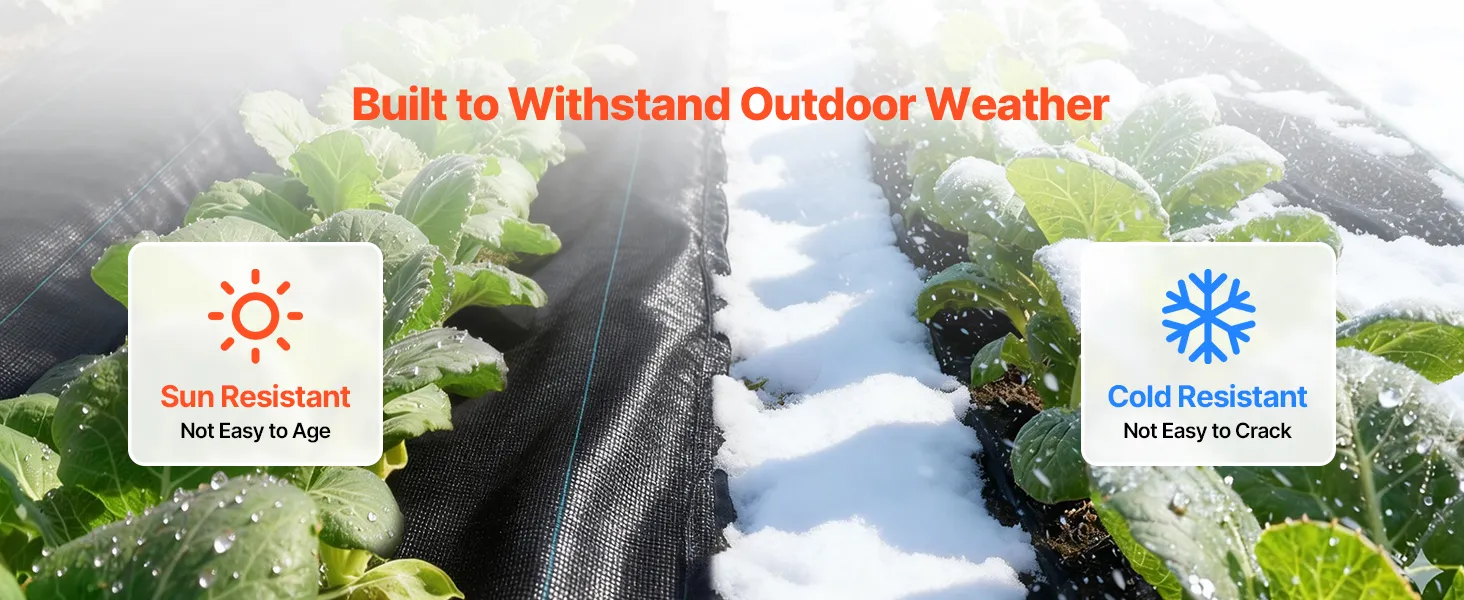
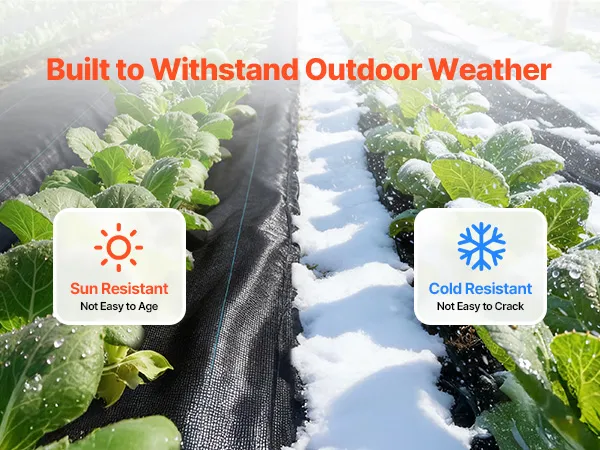
- Outdoor Durability: This polypropylene weed blocker fabric is designed to stay stable through outdoor weather changes, including sun exposure, rainfall, and snow melt. The fabric helps avoid cracking, aging, or shape changes, contributing to reliable performance in a variety of common outdoor garden settings
- Balanced Air Exchange: With a PP woven design that creates uniform micro gaps, this VEVOR weed cloth allows water, air, and nutrients to flow through the soil. It helps limit water buildup and dense conditions, promoting air and water flow to support plant root development
Frequently Bought Together
Reviews
About this item
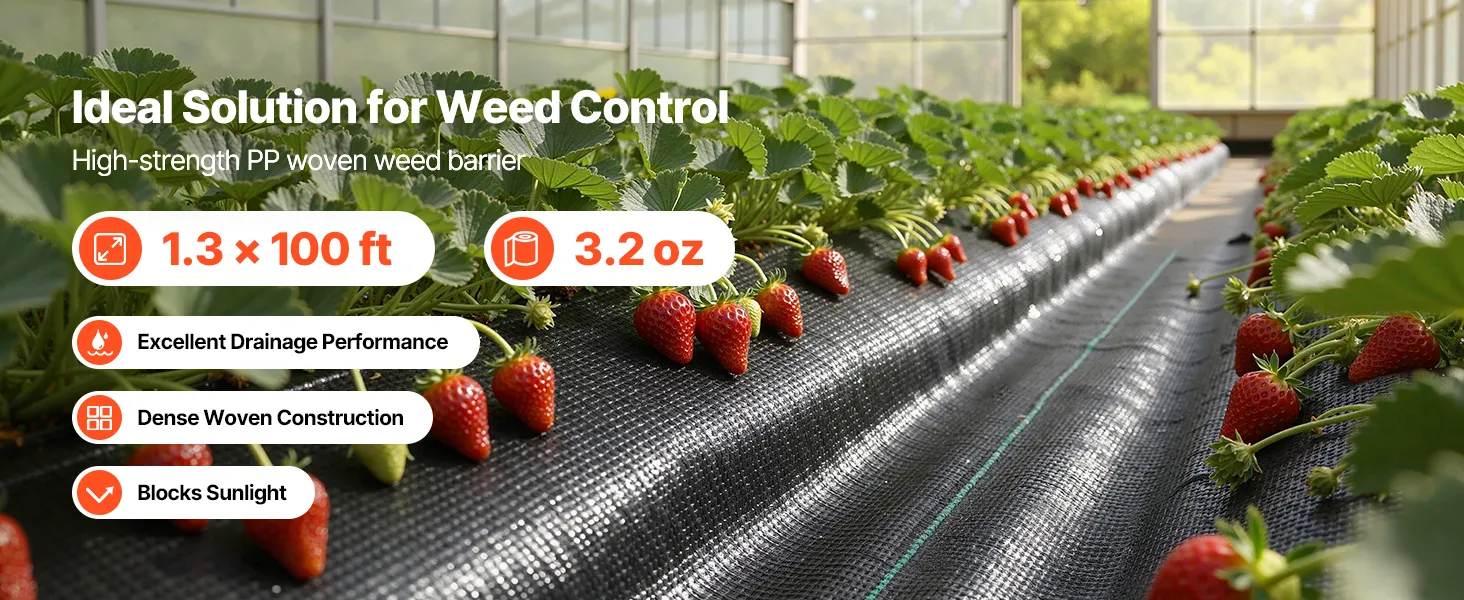
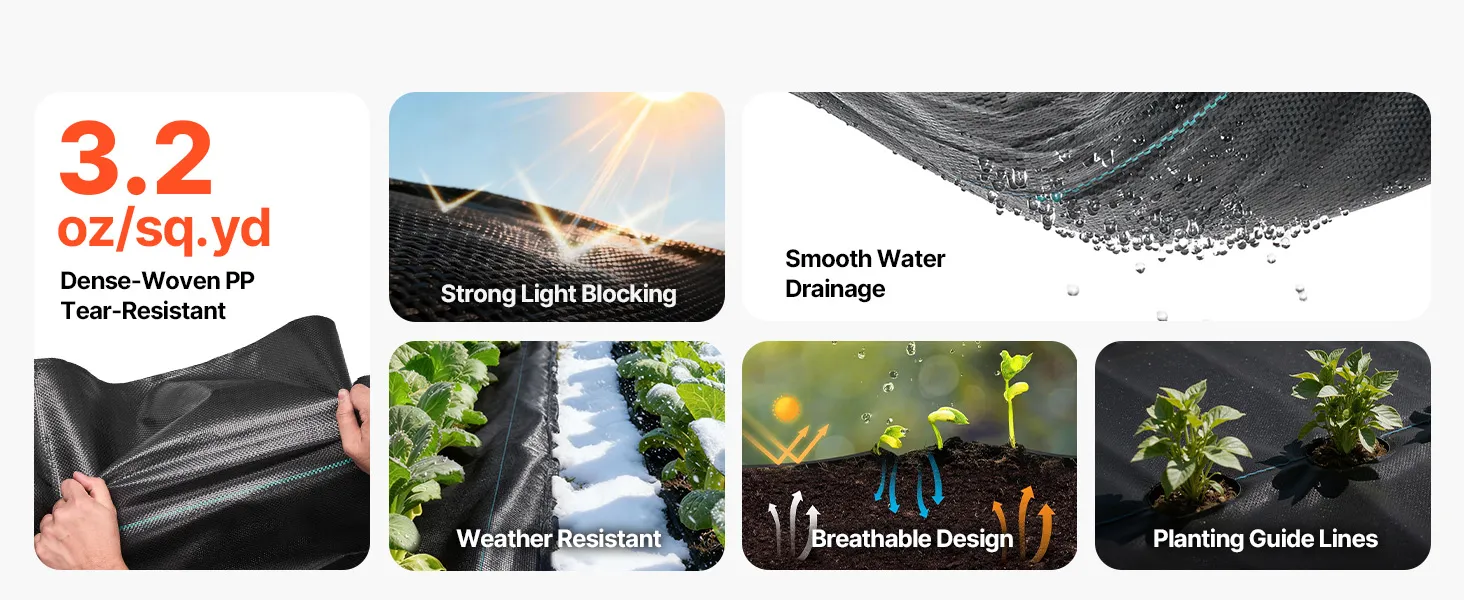
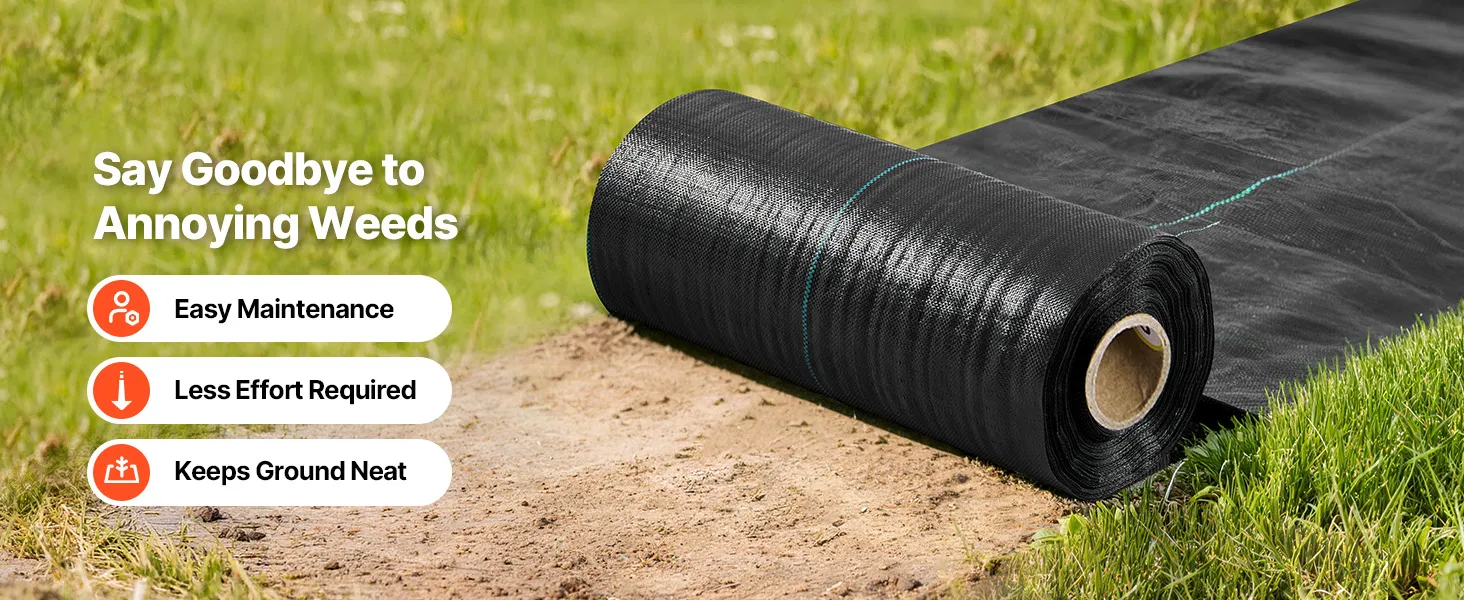
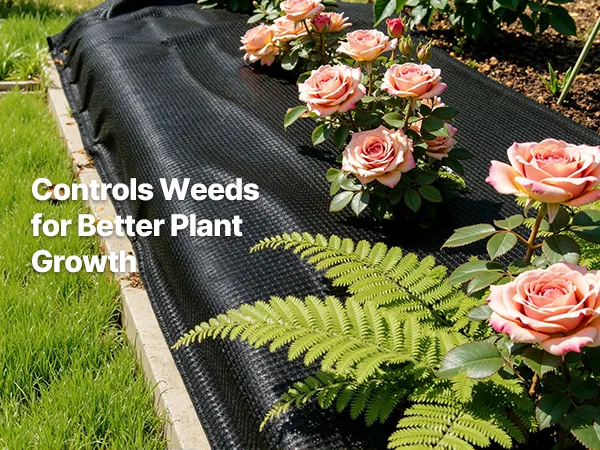
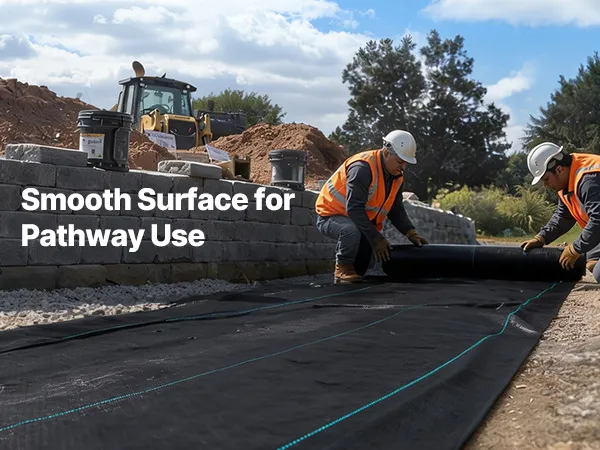
Industrial 3.2oz Polypropylene Construction Delivers Superior Weed Prevention
Heavy-duty woven construction uses 3.2-ounce high-density polypropylene fibers that provide exceptional tear resistance and degradation resistance, ensuring an extended outdoor service life. Ultraviolet (UV) light, extreme temperatures, and chemicals from fertilizers and soil treatments do not damage or weaken polypropylene.
The 3.2oz density in this black landscape fabric provides the optimal balance between durability and permeability. It keeps weeds down and keeps the soil healthy by letting water and air flow through it properly. In normal conditions, the polypropylene material does not readily break down when exposed to bacteria or fungi, so it works well in all seasons and lasts 5–10 years longer than organic mulching options.
Precision-Cut 1.3x100ft Dimensions with Black Landscape Fabric Coverage
The 1.3-foot width covers garden beds, walkways, and landscaping borders well while reducing waste during installation. The 100-foot length covers approximately 130 square feet per roll, enough for medium- to large-scale garden projects without needing more than one piece of fabric. The standardized dimensions eliminate measurement guesswork while reducing installation complexity.
For most residential landscaping projects, like flower beds, vegetable gardens, pathway edges, and foundation plantings, this black landscape fabric configuration works. The wide width makes it easy for one person to install, and the long length reduces seams and other weak spots where weeds could get in through gaps between fabric sections.
Advanced Woven Structure Maintains High Permeability for Plant Health
The carefully woven polypropylene structure makes even micro-gaps that let water pass through while blocking sunlight that would otherwise help weeds grow. Water flows through at rates of up to approximately 50 gallons per square foot per hour. This keeps water from pooling on the surface, which can hurt plant roots and make places where mosquitoes can breed.
Air circulation through the fabric structure maintains proper soil oxygenation, which is essential for beneficial microorganism activity and root development. It helps keep the soil at a more consistent moisture level, so you do not have to water as often as you would if the soil were not permeable. This keeps the soil from becoming anaerobic, which can cause root rot and plant stress.
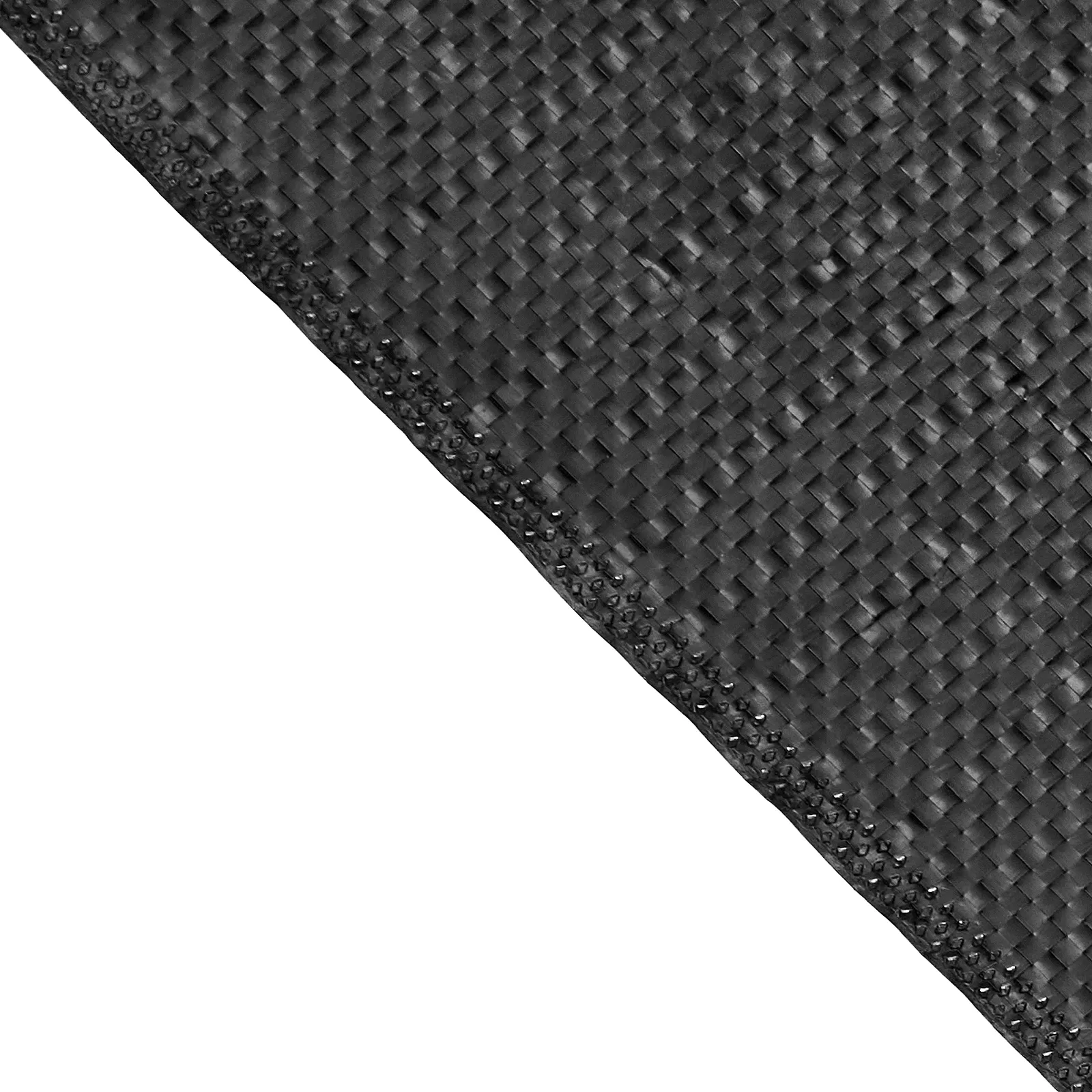
Ultrasonic Edge Technology Creates Professional Installation Results
Modern ultrasonic cutting technology produces smooth, sealed edges that do not fray or come apart when handled or installed. The precise cuts along the edges remove the rough, loose fibers common in machine-cut fabrics, which can cause weak spots and early failure. The sealed-edge construction maintains the fabric's integrity, even when cut to fit odd shapes or custom sizes.
This finish has a smooth edge that makes landscaping areas look clean and professional. It also keeps soil from sticking to the rough fibers. The ultrasonic sealing process creates a strong edge bond that can withstand tension during installation and remains strong throughout the fabric's use.
Green Guide lines Enable Accurate Black Landscape Fabric Installation
Built-in green guide lines make it easy to get accurate cutting references for custom sizes and layout planning, so you do not need any extra measuring tools. During installation, the green color stands out against the soil, making sure that cuts are straight and everything is in the right place. The guide lines are positioned at convenient intervals for common garden bed widths and pathway dimensions.
Measuring mistakes that waste materials and do not cover properly are no longer a problem with the printed guide system. The clear lines make it possible to plan exactly how far apart plants should be, where to place irrigation lines, and where to place decorative elements, all while maintaining a consistent look across large installation areas.
Chemical-Free Weed Control Eliminates Herbicide Dependency
This mechanical weed barrier can reduce or eliminate the need for chemical herbicides, which can pollute soil and groundwater and harm beneficial bugs and microorganisms. Weed seeds cannot germinate because physical barriers prevent them, but established plants can grow well without chemical interference. The method that does not use chemicals makes places safer for kids, pets, and wildlife.
Herbicide applications can harm soil biology and beneficial organism populations, but stopping them will improve soil health in the long run. The fabric method consistently eliminates weeds without the long-term costs and environmental issues associated with chemical treatments that need to be applied repeatedly and disposed of properly.
Multi-Application Versatility for Gardens, Driveways, and Commercial Projects
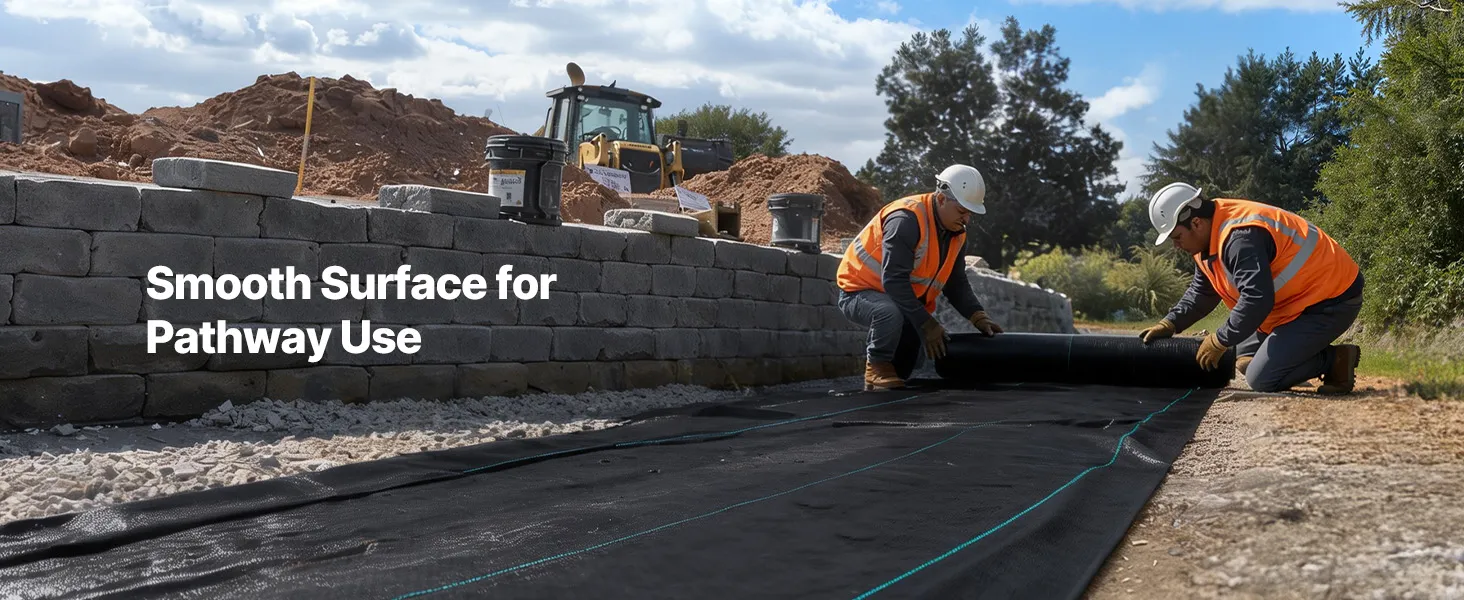
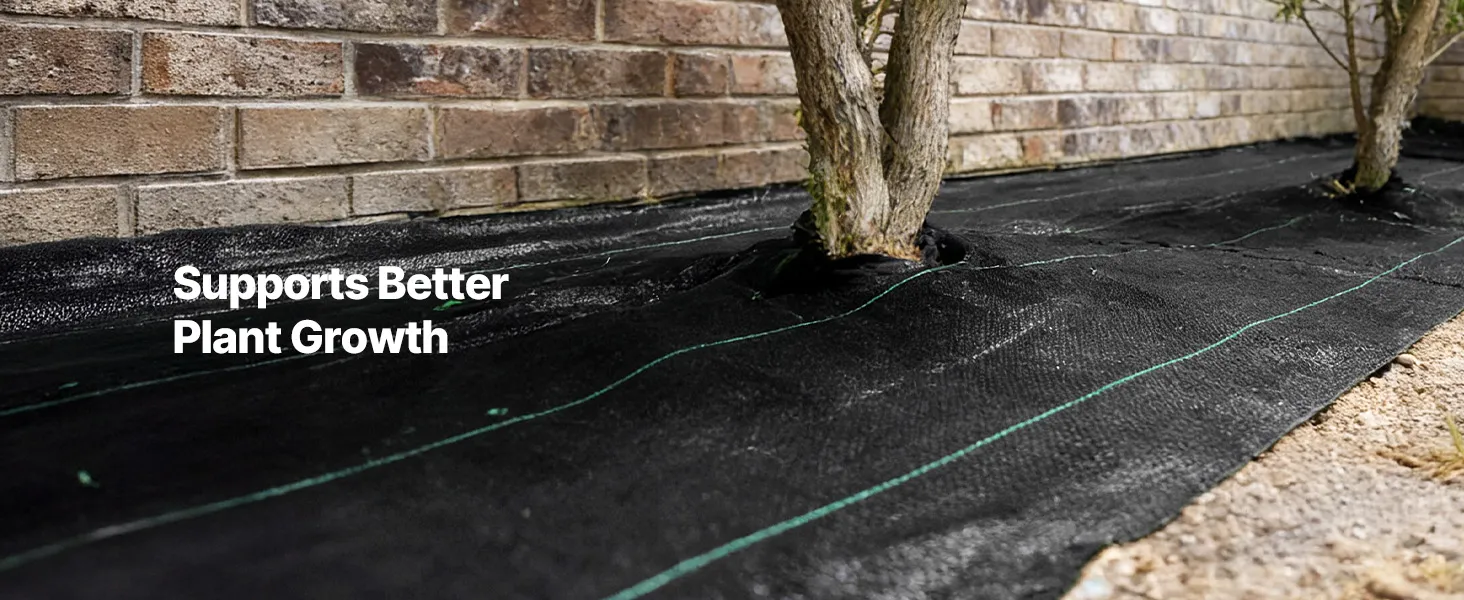
This black landscape fabric is suitable for garden applications, including flower beds, vegetable gardens, around trees and shrubs, and under installed decorative mulch. The fabric keeps soil and mulch materials cleanly separated and prevents mulch from moving into planting areas. The stabilization properties prevent the gravel from moving, making maintenance easier.
The fabric is used in commercial landscaping projects to prevent weeds from growing in large areas such as parking lot islands, highway medians, and public planting areas, where costs need to be kept as low as possible. Because it looks professional and lasts a long time, the product is a good choice for high-visibility places where both appearance and performance are important.
Long-Term Cost Savings Through Extended Service Life
The strong construction can help keep weeds down for many seasons, which is much longer than mulching or applying herbicides repeatedly, both of which are costly ways to keep your landscaping in good shape. The initial investment pays for itself in 2 to 3 seasons because you will spend less time pulling weeds, watering, or paying for chemical treatments.
The fabric approach eliminates annual material replacement costs while providing consistent performance, keeping your property looking pristine, and reducing landscaping work. With proper soil moisture retention and weed control, professional landscapers achieve significant cost savings for their clients by requiring fewer maintenance contracts and achieving faster plant establishment.